Functional mushrooms · Evidence and buying
Useful labels. Cautious claims.
Understand what each species is, what human research suggests, how side effects and medications matter, and which product details are worth paying for.
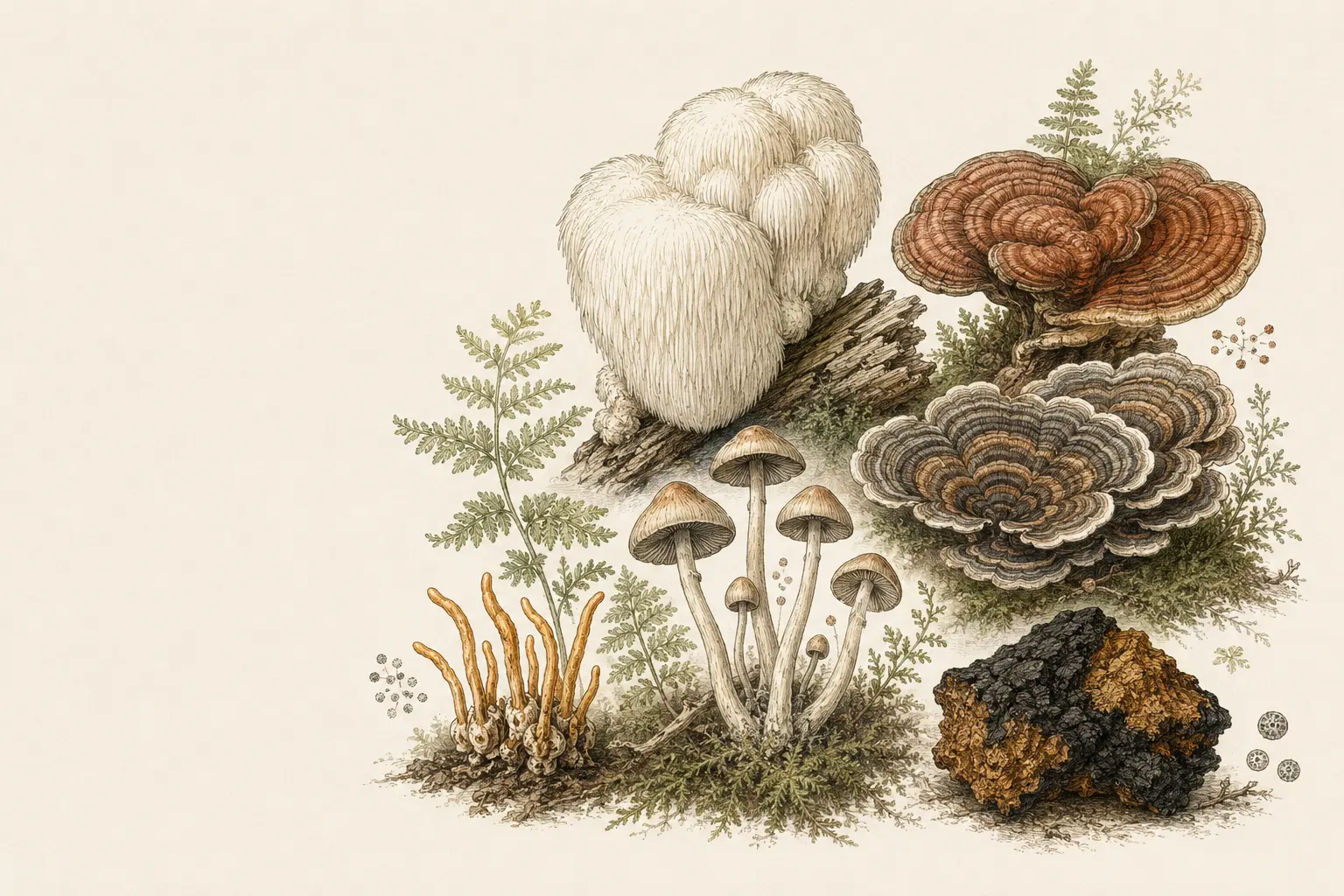
Read past the front label
“Mushroom complex” is not enough information.
Species, mushroom part, extraction, measured beta-glucans, serving size, and independent contaminant testing matter. A wellness category is not proof that a product works.
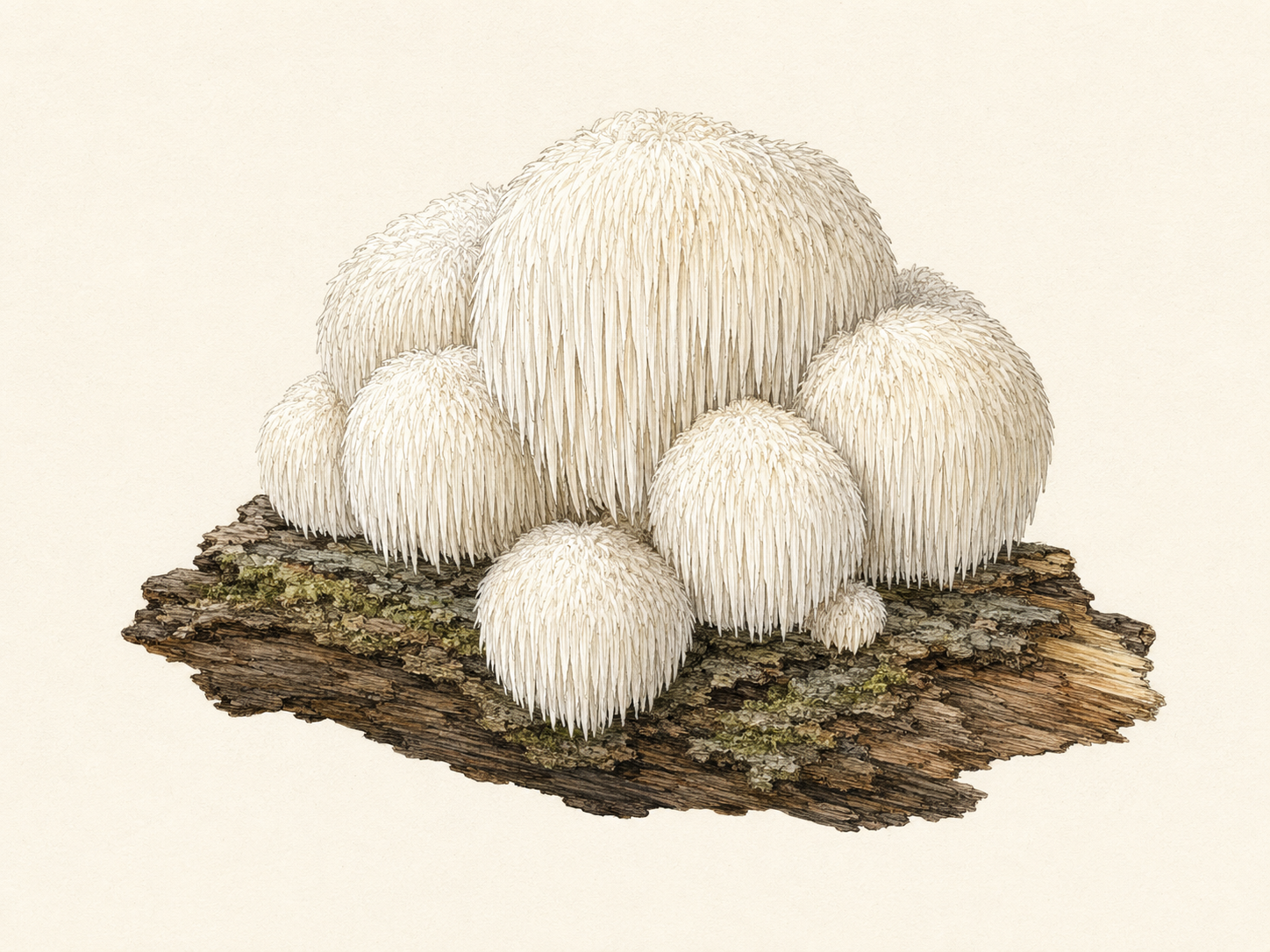
Lion’s mane
Cognition and mood claims, small human trials, dosage context, and label quality.
Read species guide →02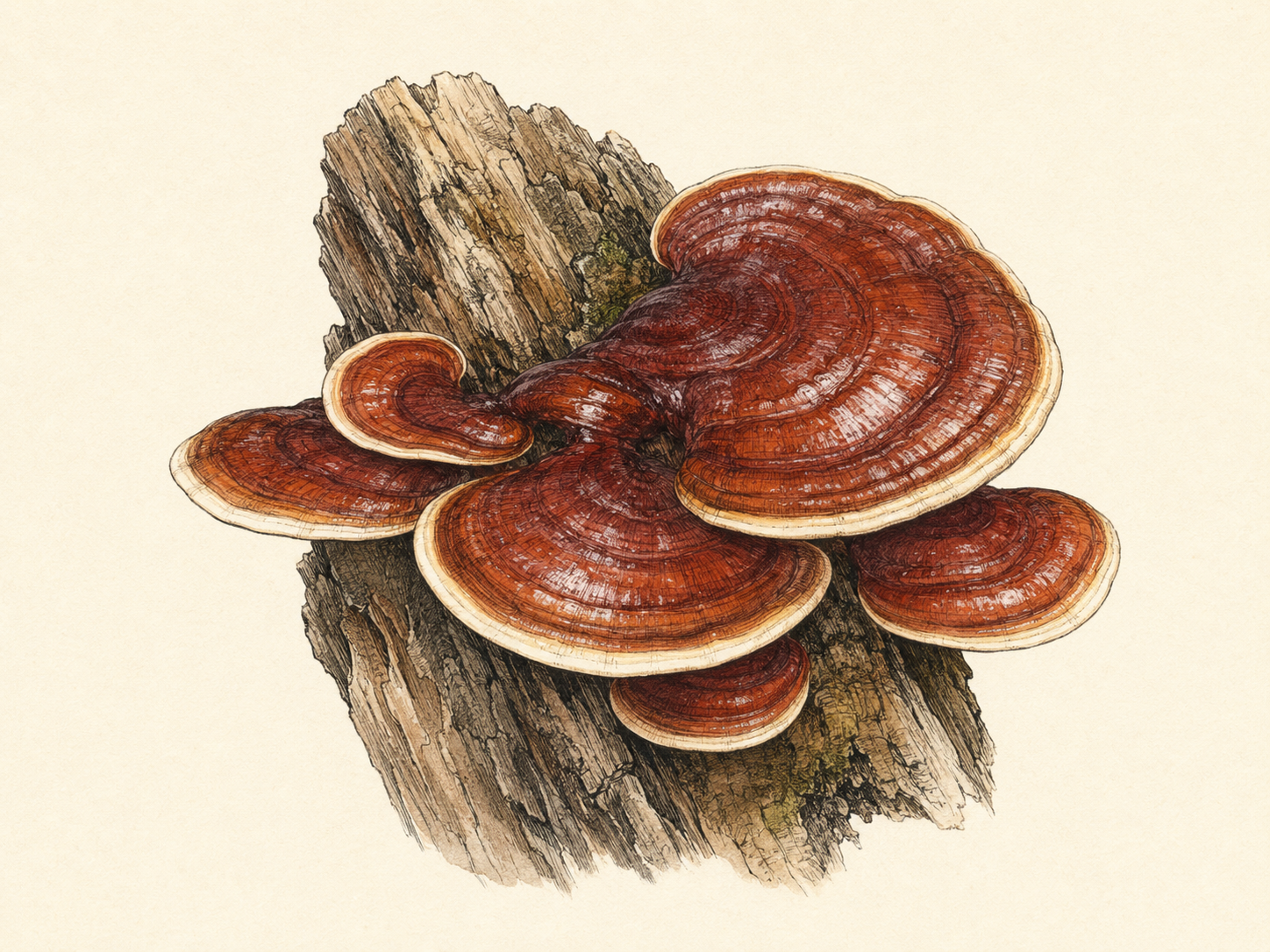
Reishi
Species naming, beta-glucans, triterpenes, extraction, evidence, and interactions.
Read species guide →03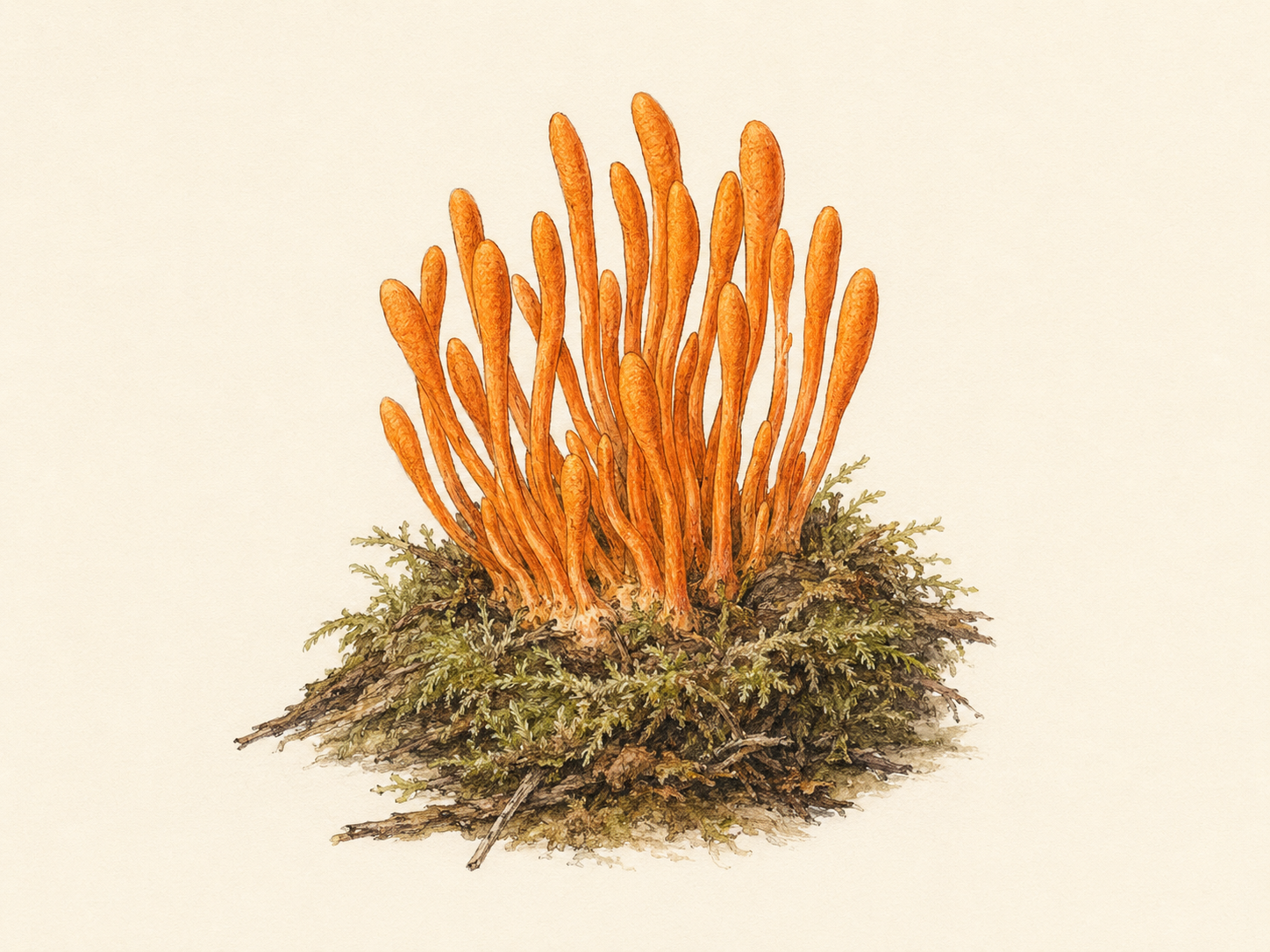
Cordyceps
What C. militaris is, performance research, cordycepin, and product identity.
Read species guide →04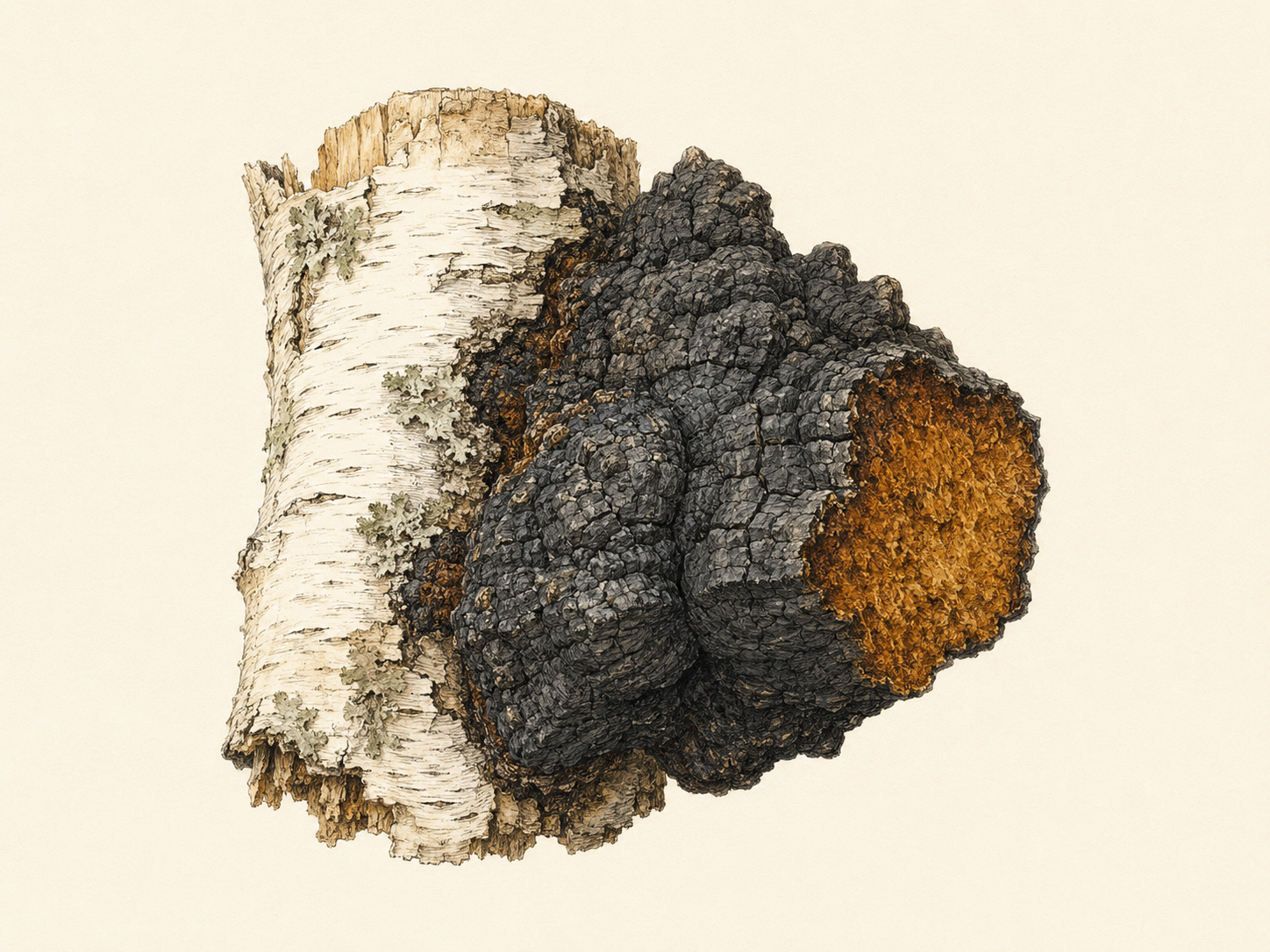
Chaga
Why human evidence is thin and oxalate-related kidney risk deserves attention.
Read species guide →05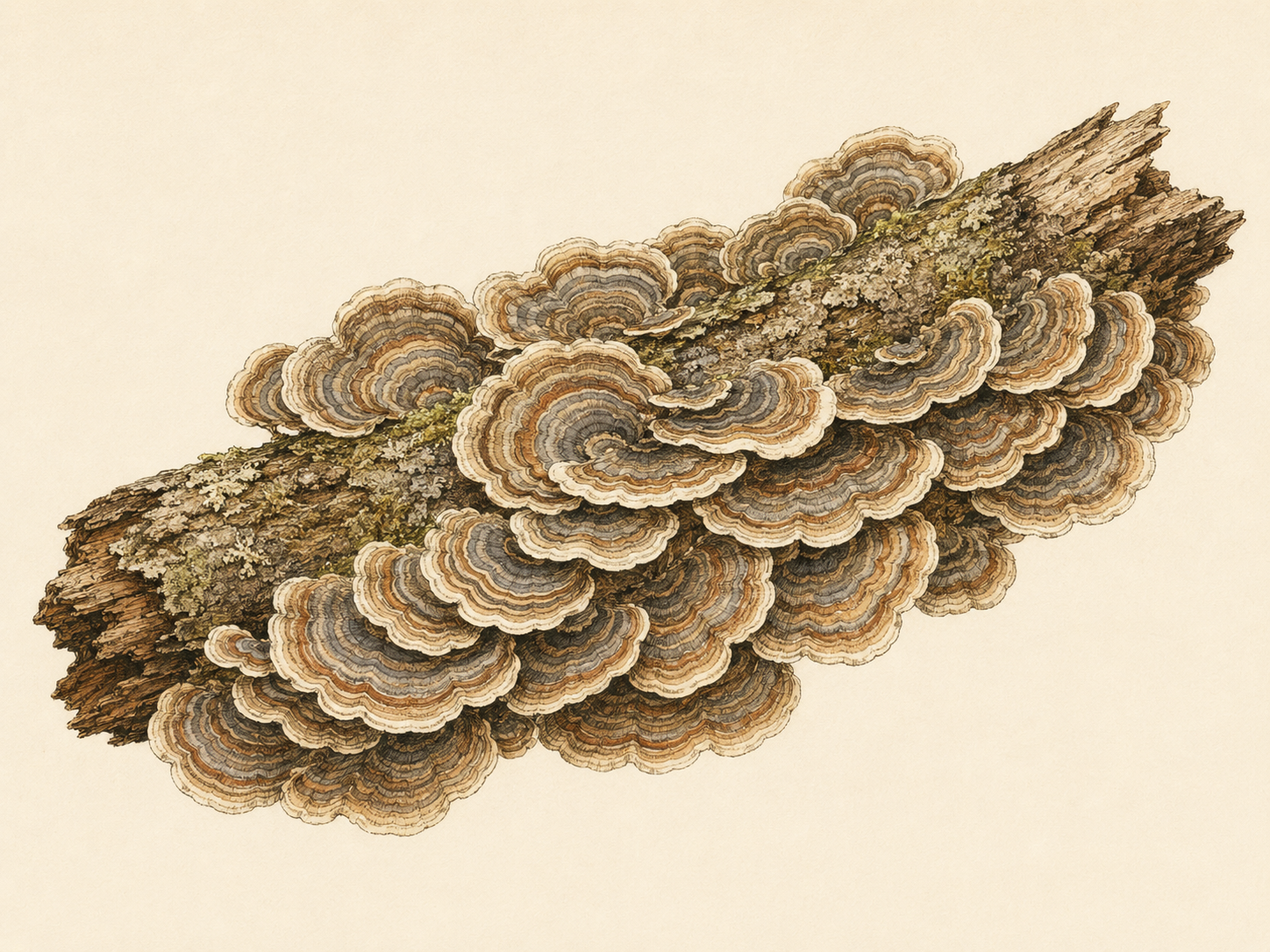
Turkey tail
What PSK and PSP research means, and why ordinary powders are not equivalent.
Read species guide →